
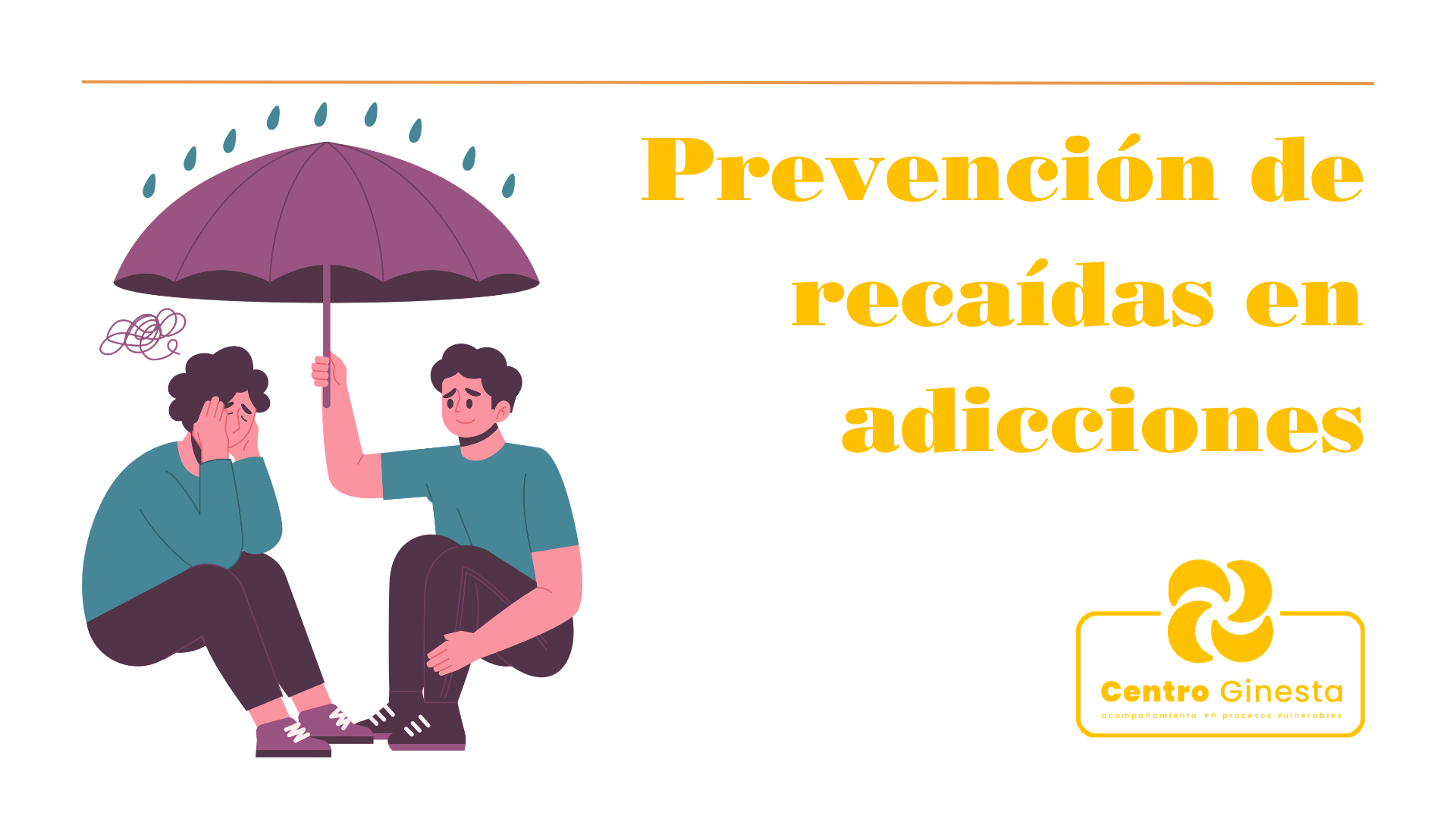
Afrontar el proceso de recuperación es, ante todo, un ejercicio de honestidad y valentía. Existe una fase del tratamiento que suele generar cierta resistencia, pero que resulta indispensable para el éxito a largo plazo: aprender la prevención de recaídas en adicciones a través de la identificación consciente de las variables que te alejan del bienestar y de aquellas que, a veces sin darte cuenta, te aproximan de nuevo a la enfermedad.
In Ginesta Center partimos de una premisa clara: la recuperación no es una cuestión que dependa exclusivamente de la fuerza de voluntad. La voluntad es un recurso psicológico que puede flaquear ante el estrés, el agotamiento acumulado o la vulnerabilidad emocional. Therefore, la verdadera clave de la sobriedad reside en la gestión estratégica de los factores de protección y la detección precoz de los riesgos existentes en el entorno.
Los factores de protección en la prevención de recaídas en adicciones
Los factores de protección son todas aquellas circunstancias, conductas o entornos que disminuyen la probabilidad de que una persona vuelva a recurrir al consumo. No se trata simplemente de “portarse bien”, sino de blindar tu estilo de vida de manera proactiva.
En nuestro centro en Asturias, trabajamos para potenciar estos pilares que actúan como un escudo biopsicosocial:
1. Vínculos de honestidad y respeto
El entorno social es determinante. Rodearse de personas que respetan tu proceso y que son capaces de decirte la verdad, aunque resulte doloroso, es un salvavidas. Los entornos sanos son aquellos que no minimizan el problema ni te exponen a situaciones de riesgo innecesarias. The prevención de recaídas en adicciones empieza por elegir a quién permites entrar en tu círculo íntimo durante la recuperación.
2. La neurobiología del orden y la rutina
Un cerebro en recuperación necesita estabilidad y predictibilidad. Mantener rutinas sólidas de sueño, una nutrición equilibrada y actividad física regular no es una cuestión estética; es una necesidad neuroquímica. Estos hábitos ayudan a estabilizar los niveles de dopamina y serotonina, reduciendo la ansiedad y el impulso de buscar gratificación inmediata en sustancias.
3. Espacios de conexión y propósito vital
La recuperación florece cuando la persona redescubre actividades que la conectan con la vida de forma natural. El deporte, el contacto directo con la naturaleza, la música o el arte no son simples pasatiempos. En el marco de la prevención de recaídas en adicciones, estas actividades son herramientas terapéuticas que permiten al individuo experimentar placer y autorrealización sin recurrir a estímulos externos dañinos.
Factores de riesgo: detectando las señales de alerta temprana
Por el contrario, the prevención de recaídas en adicciones requiere una vigilancia constante de los factores de riesgo. Estos son los “disparadores” o triggers que la patología utiliza para intentar recuperar el control sobre la voluntad del paciente.
Es fundamental identificar estas “grietas” antes de que se conviertan en una recaída física:
- Ambientes de alta exposición y presión social: Frecuentar lugares o grupos donde el consumo es la norma es una trampa. Frases aparentemente inofensivas como “por una no pasa nada” o “tienes que aprender a controlarte” son señales críticas de alerta que requieren poner límites claros de inmediato.
- Estados emocionales displacenteros (Método HALT): En la psicología de las adicciones solemos usar el acrónimo HALT (Hungry, Angry, Lonely, Tired). El hambre, la rabia, la soledad y el cansancio son los estados donde el juicio se nubla y la vulnerabilidad aumenta. The prevención de recaídas en adicciones implica aprender a gestionar estas sensaciones antes de que se conviertan en un deseo de evasión.
- La trampa de la falsa seguridad: Tras unos meses de abstinencia, es común que aparezca la creencia de que “ya está todo superado”. Esta autoconfianza excesiva suele llevar a la persona a bajar la guardia, dejando de asistir a terapia o retomando viejos contactos. Este es, paradoxically, uno de los momentos más peligrosos del proceso.
El papel del entorno familiar en el éxito del tratamiento
La recuperación es un proceso sistémico. No basta con que el paciente realice cambios profundos en su conducta; su entorno familiar también debe evolucionar. La familia debe aprender a identificar sus propias dinámicas para evitar convertirse en facilitadores de riesgos de manera inconsciente.
In Ginesta Center, el trabajo multidisciplinar permite que el paciente no se sienta solo en esta reestructuración vital. La intervención no se limita a la supresión del consumo, sino que busca una rehabilitación integral donde la persona aprenda a gestionar su libertad con responsabilidad y conciencia plena.
Conclusion: Construir una vida incompatible con el consumo
La meta final de la prevención de recaídas en adicciones no es simplemente el hecho de “no consumir”. El objetivo real es construir una vida que sea tan plena, auténtica y tenga tanto sentido que el consumo de sustancias ya no tenga un espacio donde encajar.
Cuando una persona recupera su capacidad de disfrutar de los pequeños logros cotidianos, cuando sus relaciones se basan en la verdad y su salud física mejora, el deseo de evasión disminuye drásticamente. Al final, se trata de aprender a elegir mejor tu entorno para no tener que escapar nunca más de tu realidad.
Si sientes que el entorno te supera o que las señales de riesgo están empezando a aparecer, pedir ayuda a tiempo es la decisión más valiente y profesional que puedes tomar.