
In recent years, the consumption of cannabis It has been normalized in many cultures, especially with the rise of its legalization in several countries. However, along with its possible therapeutic benefits, also emerge worrying side effects. One of them is the little known but increasingly documented THC-related amotivational syndrome.
What is THC?
He THC (tetrahidrocannabinol) is the main psychoactive compound of cannabis. It is responsible for the euphoric or sensory-altering effects that many consumers experience.. However, Chronic and prolonged use of cannabis with high levels of THC can significantly alter brain function, especially in areas related to motivation, the memory and the placer.
What is amotivational syndrome?
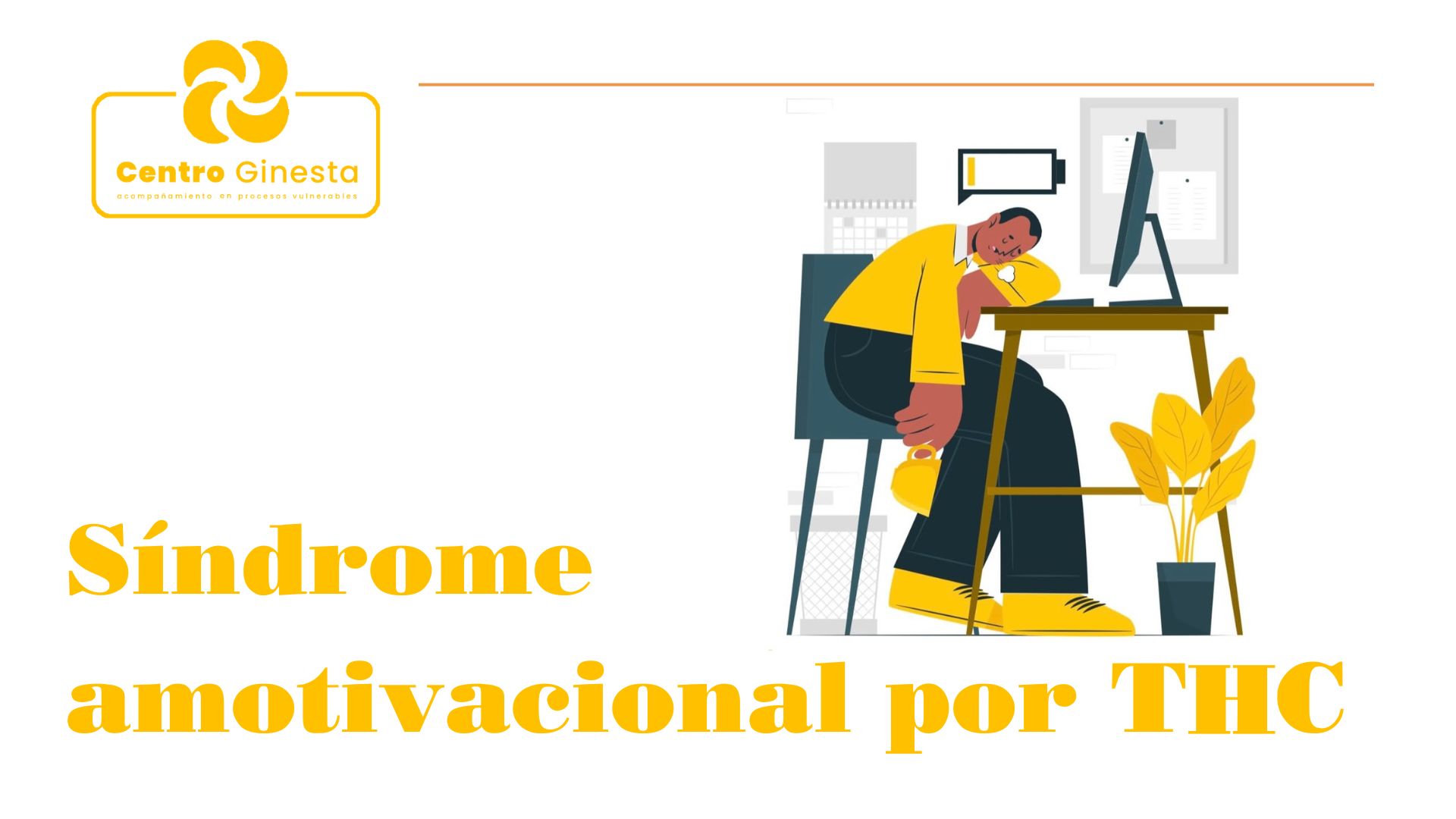
He amotivational syndrome THC refers to a persistent state of apathy, disinterest, loss of motivation and difficulty participating in activities that were previously pleasurable or meaningful. Although research is still ongoing, There is growing concern in the scientific and clinical community about its impact on mental health and quality of life of regular cannabis users.
Main symptoms of amotivational syndrome:
- Lack of initiative and energy
- Reduced academic or work performance
- Disinterest in social relationships or recreational activities
- Loss of short and long term goals
- Difficulty experiencing pleasure or satisfaction (anhedonia)
- Feeling of stagnation or “emptiness”
Why does this syndrome occur??
THC affects the system recompensa cerebral, that regulates motivation, gratification and goal-directed behavior. With frequent use of cannabis, this system can be deregulated, generating a kind of emotional and motivational “disconnection”. In other words, the brain stops responding enthusiastically to stimuli that previously generated interest or engagement.
This risk is worse in young people, whose brain is still developing, and in those with a history of mood disorders.
¿Es reversible?
In many cases, Yeah. The good news is that the effects of THC amotivational syndrome can decrease or reverse when reducing or stopping cannabis use, especially if accompanied by psychological support, healthy routines and activities that stimulate natural motivation.
What to do if you think you are experiencing it?
If you identify with any of these symptoms or know someone who may be experiencing this situation, the most important thing is Search for professional help. A therapeutic approach may include:
- Individual or group psychotherapy
- Behavioral activation and establishment of routines
- Mental health interventions for anxiety or associated depression
- Family and community support
He THC amotivational syndrome It is a warning sign that reminds us of the importance of informed and responsible consumption of cannabis.. Although its use is increasingly accepted, is not without risks, especially in contexts of chronic or unsupervised use.
Are you worried about your relationship with cannabis? Do you feel like you lack motivation or energy to move forward??
We can help you. Contact our team specialized in mental health and addictions. You are not alone.