

In the universe of mental health, Few barriers are so invisible - and at the same time so powerful - as denial. Recognizing that compulsive consumption of substances or behaviors is more than a “bad habit” is decisive: makes it possible to ask for help, follow treatment and build a new lifestyle. This is where the disease awareness in addictions becomes the real turning point.
What is the disease awareness in addictions and why it makes a difference?
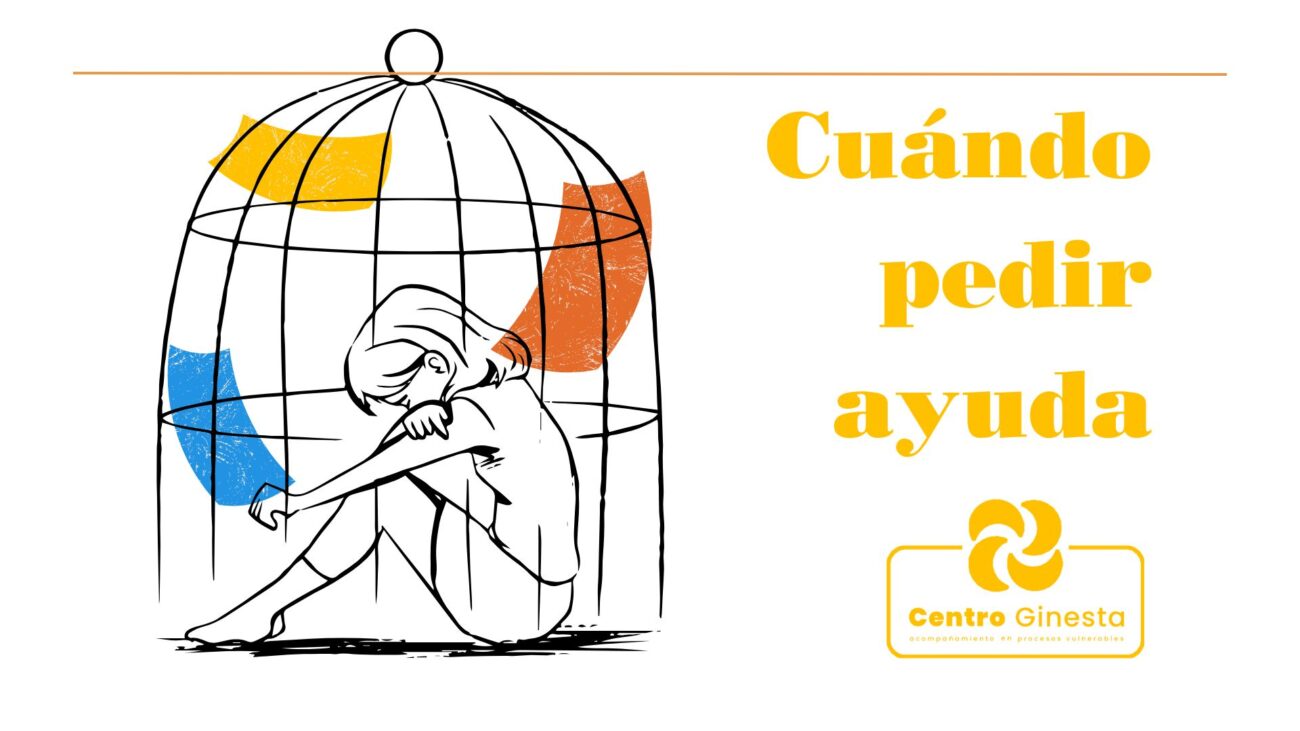
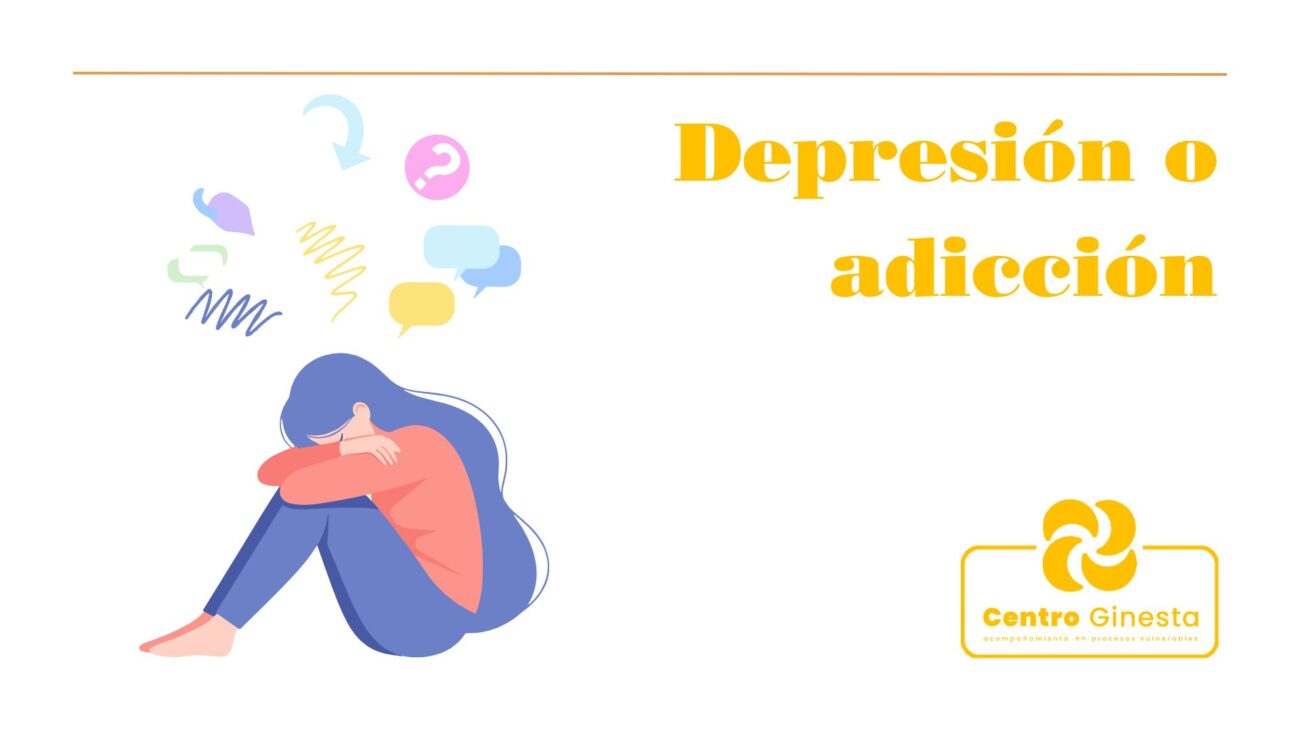
The disease awareness in addictions describes the ability of accept that compulsive consumption of substances or behaviors is a disease with biological bases, psychological and social, and not a simple “lack of will”. This insight constitutes the first step of any effective therapeutic process.. By recognizing the clinical nature of addiction, The person stops blaming themselves excessively and understands that they need specialized help. That new perspective breaks down denial —the great wall that slows down recovery— and promotes the active search for treatment.
Once reality is accepted, a change of narrative unfolds: toxic guilt turns into responsible self-pity, intrinsic motivation is strengthened and adherence to interventions such as supervised detox, cognitive-behavioral therapy or support groups. Besides, the disease awareness in addictions lays the groundwork for relapse prevention, since it makes it evident that the condition can be reactivated and that, therefore, it is key to identify triggers—stress, risk environments, emotional conflicts—before consumption resurfaces.
How to grow the awareness and sustain recovery
- Evidence-based education. Getting informed from scientific sources dismantles myths and stigmas.
- Empathic communication. Listening without judgment and validating emotions opens the door to honest dialogue.
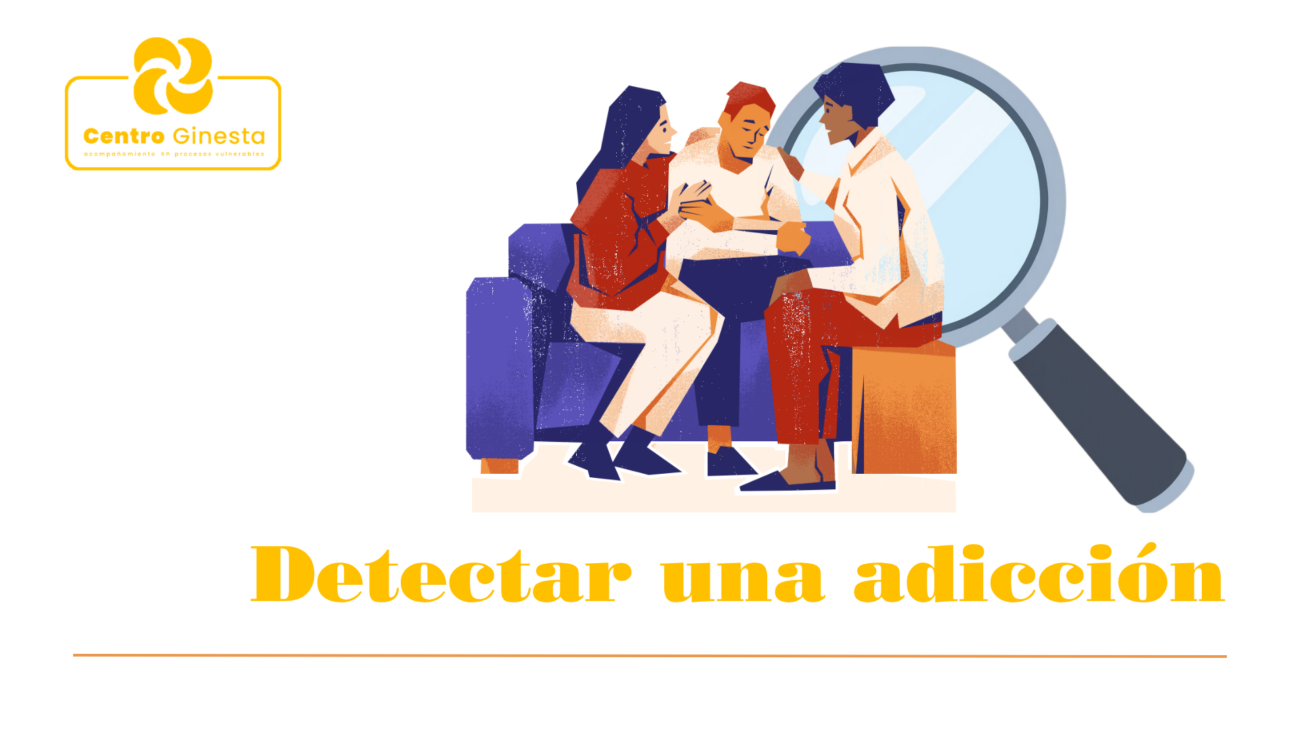
- Early professional intervention. Specialized psychologists and psychiatrists provide the necessary insight and design personalized plans.
- Family and social support network. Coordinated friends and family reinforce consistent messages and offer ongoing practical help.
- Relapse prevention plans. Identifying warning signs and creating proactive strategies—such as stress management exercises or routine changes—consolidate recovery.
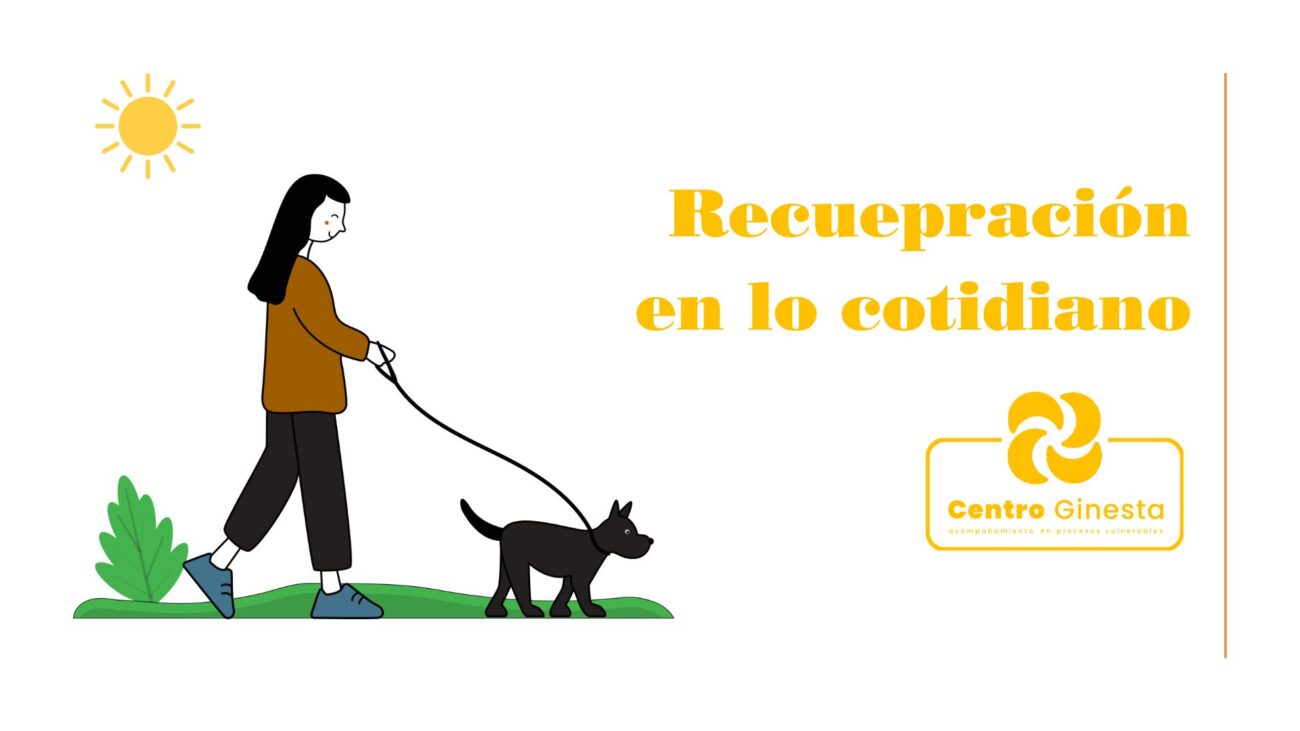
Conclusion: Develop and maintain the disease awareness in addictions not only begins the path of healing, but it sustains it over time, transforming responsibility into self-care and hope into a healthy lifestyle. <br>
Do you need help for yourself or someone close to you?? Contact us today and discover our personalized support programs towards a life free of addictions.