
Learn how to manage stress after a detox It is a fundamental part of the addiction recovery process. After finishing a phase of abstinence, many people experience a mix of relief and emotional vulnerability. Returning to daily life means resuming work responsibilities, family and social, which can increase stress levels if appropriate coping strategies have not been developed.
In Ginesta Center, specialists in addiction treatment and detoxification in Asturias, We know that post-detox stress is a common phenomenon and that, if not managed correctly, can become a risk factor for relapses.
Why does stress increase after detox?
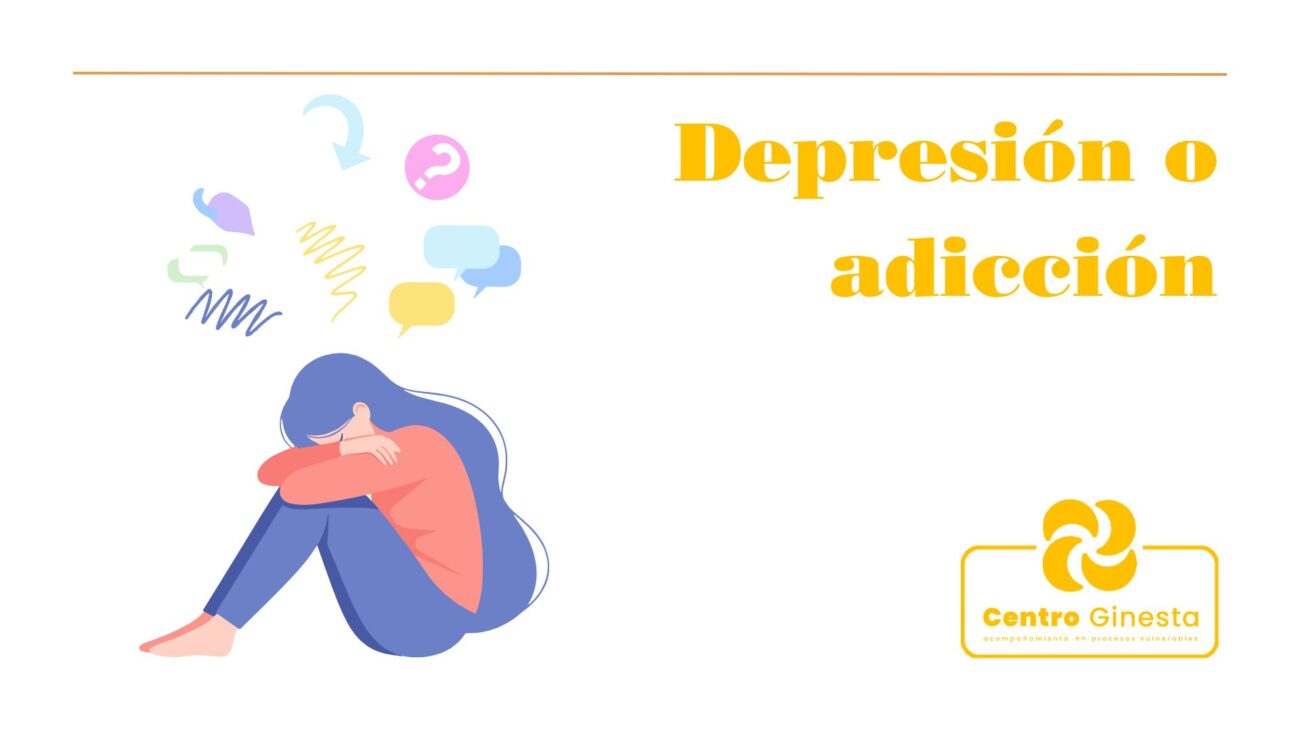
During substance use, The brain can use drugs or alcohol as a emotional regulation mechanism. When starting recovery and eliminating consumption, the body must adapt to a new way of managing emotions and stressful situations.
At this stage they may appear symptoms as:
- emotional tension
- Irritability
- intrusive thoughts
- Difficulty relaxing
- Feeling of psychological overload
Return to daily routine—work, studies or social relationships—can intensify this emotional pressure while consolidating new regulatory skills.
Impact of stress on addiction recovery
Prolonged stress can directly affect the therapeutic process and emotional stability, generating:
- Increased anxiety
- Problems concentrating and making decisions
- Sleep disturbances
- Greater impulsivity
- Greater vulnerability to consumption triggers
Therefore, he stress management It is a key element to prevent relapses and strengthen long-term recovery.
Effective strategies to manage stress and detox
There are clinical and behavioral tools that can help regulate stress in a healthy way:
1. Establish structured routines
Maintain regular sleep schedules, Food and daily activity help reduce uncertainty and promote emotional stability.
2. Emotional regulation techniques
Conscious breathing, Mindfulness and progressive muscle relaxation reduce the physiological activation of the nervous system.
3. moderate physical activity
Regular exercise promotes the release of endorphins, improves mood and reduces anxiety.
4. Social support and communication
Share the process with professionals, family members or therapeutic groups strengthens the support network.
5. Specialized psychotherapy
Psychological support allows you to identify stress triggers and develop adaptive coping skills.
In specialized centers such as Ginesta Center, Addressing stress is integrated into a global therapeutic plan. Addiction Recovery Doesn't End With Detox; It is a continuous process that includes emotional stabilization, learning new life strategies and preventing relapses.
Managing stress appropriately is one of the pillars to building a stable life, healthy and addiction free.