
Imagina que alguien no responde a tu mensaje. En cuestión de segundos, tu mente puede empezar a construir explicaciones. Pero ¿qué parte de todo eso es real y qué parte es una interpretación?
Aprender a distinguir entre hechos e interpretaciones es una herramienta clave en el ámbito de la salud mental, ya que muchas veces el malestar emocional no proviene de la situación en sí, sino del significado que le damos.
In Ginesta Center, trabajamos este enfoque dentro del desarrollo de la inteligencia emocional, ayudando a las personas a comprender mejor sus pensamientos y reducir el sufrimiento asociado a interpretaciones automáticas.
Diferencia entre hechos e interpretaciones
Un hecho es algo objetivo, observable y verificable. Es decir, cualquier persona podría describirlo de la misma manera.
Una interpretación, en cambio, es la explicación que damos a ese hecho. Está influida por nuestras experiencias previas, creencias, emociones y miedos.
For example:
- Hecho: no han respondido a un mensaje
- Interpretación: “está enfadado conmigo”, “no le importo”, “he hecho algo mal”
El problema aparece cuando confundimos ambas cosas y damos por cierta la interpretación sin cuestionarla.
¿Por qué tendemos a interpretar de forma negativa?
La mente humana busca constantemente dar sentido a lo que ocurre. Cuando hay información incompleta, tiende a rellenar los vacíos, muchas veces desde el miedo o la inseguridad.
Este mecanismo puede estar relacionado con:
- Experiencias previas de rechazo o abandono
- Baja autoestima
- Necesidad de control o certeza
- Dificultad para gestionar la incertidumbre
Como resultado, anticipamos escenarios negativos y reaccionamos emocionalmente como si fueran reales.
¿Cómo afectan las interpretaciones a tu bienestar emocional?
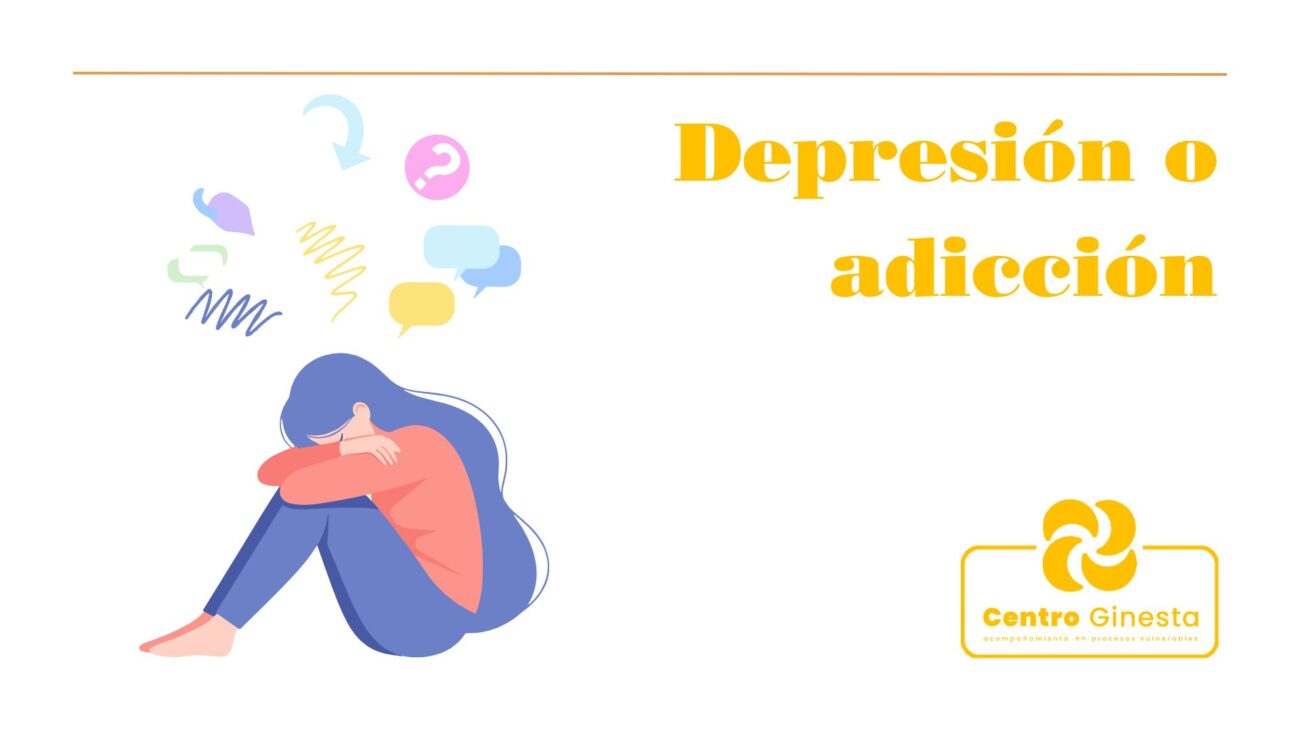
Cuando interpretamos de forma automática y negativa, pueden aparecer:
- Anxiety
- Inseguridad
- Malestar emocional
- Conflictos en las relaciones
Es importante entender que estas emociones no siempre están provocadas por lo que ha ocurrido, sino por la lectura que hacemos de ello.
¿Cómo aprender a diferenciar hechos de interpretaciones?
Desarrollar esta habilidad forma parte del trabajo terapéutico y de la inteligencia emocional. Algunas claves prácticas son:
- Preguntarte: “¿esto es un hecho o una interpretación?”
- Buscar pruebas reales que confirmen ese pensamiento
- Plantear otras explicaciones posibles
- Evitar sacar conclusiones rápidas
Este proceso no elimina las emociones, pero sí ayuda a entenderlas y gestionarlas de forma más consciente y ajustada a la realidad.
¿Cuándo acudir a un profesional?
Si notas que este tipo de pensamientos son frecuentes y generan malestar, puede ser útil trabajarlo en terapia. Aprender a identificar y cuestionar interpretaciones automáticas mejora la relación con uno mismo y con los demás.
In Ginesta Center, acompañamos a las personas en el desarrollo de herramientas emocionales que les permitan comprender sus pensamientos, reducir la ansiedad y mejorar su bienestar emocional.