
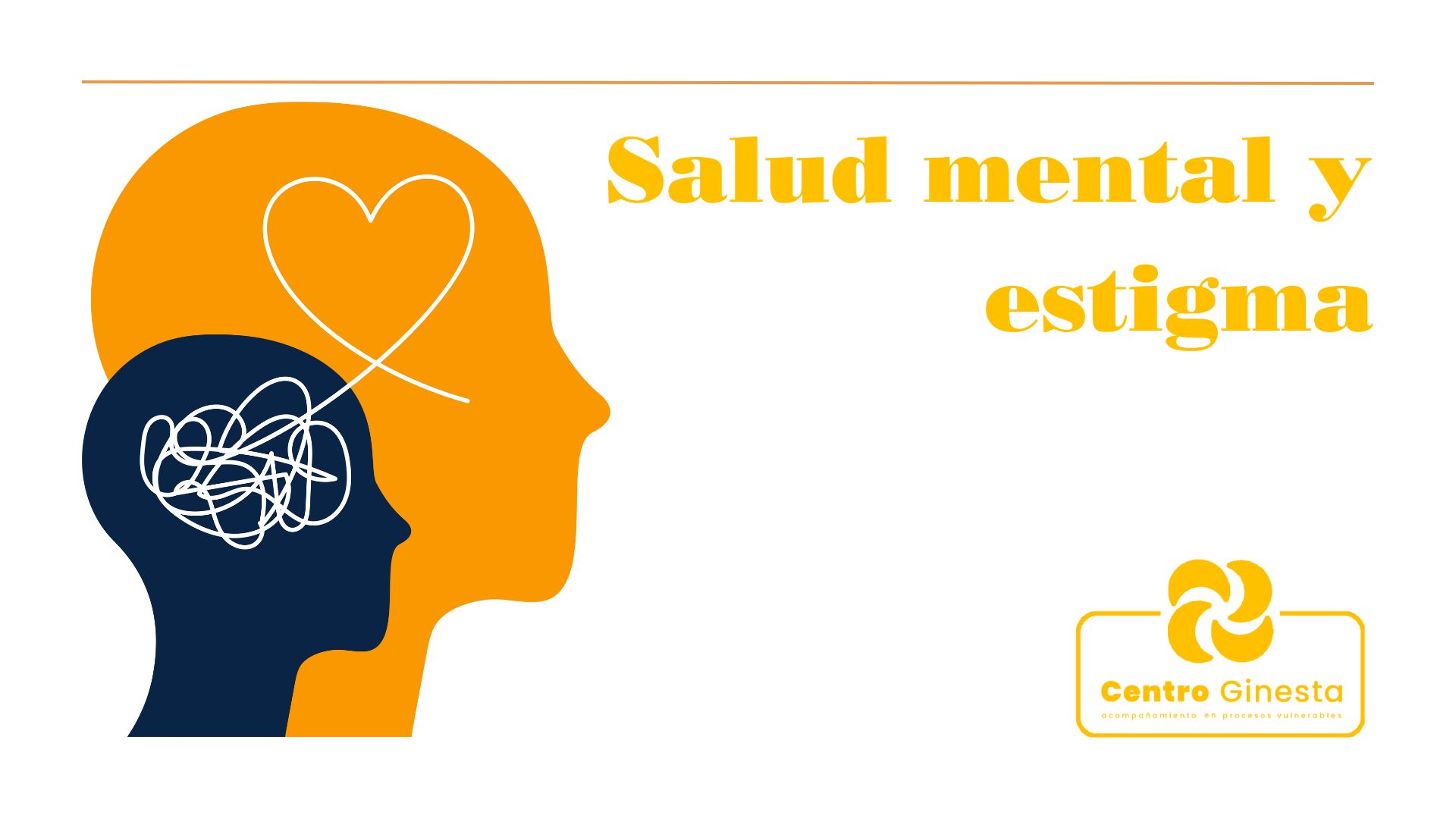
Talking about mental health is still, for many people, an uncomfortable topic. Despite social and scientific advances, he mental health stigma continues to be present and acts as a barrier that prevents recognizing emotional discomfort and accessing the necessary help in time.
Mental health is a fundamental part of global health. Affects how we think, we feel, we relate and face the difficulties of life. However, for years it has been erroneously associated with weakness, lack of character or personal incapacity, generating prejudices that still have real consequences today.
What do we mean by mental health stigma??
Mental health stigma refers to a set of negative beliefs, stereotypes and attitudes that minimize, judge or invalidate psychological suffering. It manifests itself in phrases like “that's just a lack of desire.”, “you have to be stronger” or “going to therapy is for weak people”.
This stigma affects disorders such as anxiety or depression., like addictions, eating disorders or other mental health problems. The result is that many people hide their discomfort, They avoid talking about what is happening to them and delay seeking professional help for years..
Consequences of stigma on mental health
The impact of mental health stigma goes far beyond the social. Among its main consequences are:
- Delay in starting psychological or psychiatric treatment
- Feelings of guilt, shame and excessive self-demand
- Social and emotional isolation
- Chronification of discomfort
- Increased risk of relapse or worsening of symptoms
Many people come to a consultation when “they can't take it anymore.”, not because they didn't need help before, but because the fear of external judgment was stronger than personal care.
Normalize emotional care: a necessary change
Talk about mental health naturally, Listening without judgment and validating emotional suffering are essential steps to breaking stigma. Asking for psychological help is not a failure, It is an act of responsibility and courage.
Taking care of mental health is not a fashion or a luxury: It is a basic need. Just like we go to the doctor when something hurts in the body, Seeking professional support when something hurts inside is a way to take care of yourself and prevent bigger problems..
In Ginesta Center we work from a professional approach, humane and respectful, offering safe spaces where people can express their discomfort without fear of judgment. Because breaking the stigma also means accompanying, understand and remember that recovery is possible.