
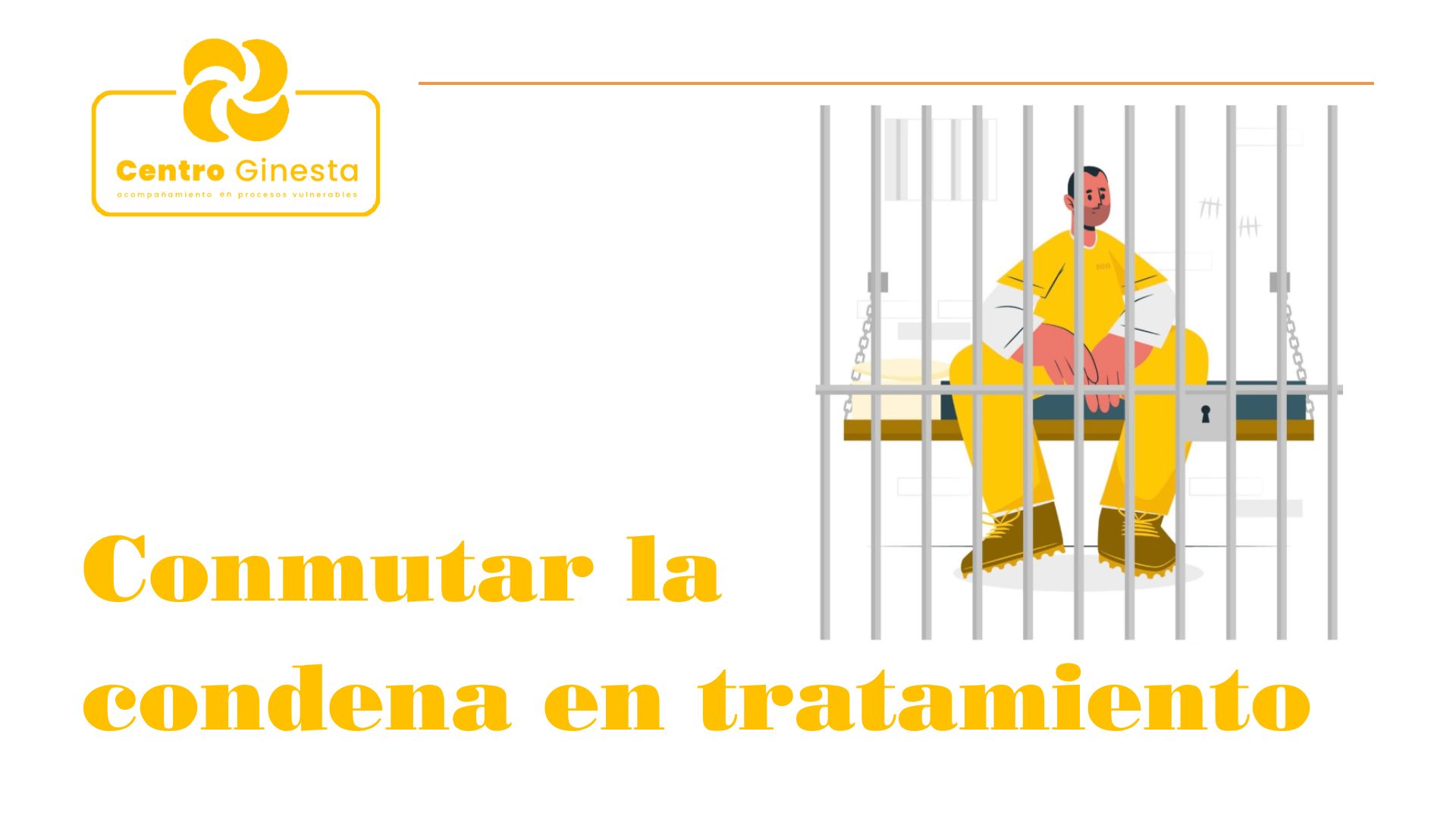
The commutation of sentence for addiction treatment It is a legal mechanism that allows the execution of a prison sentence to be replaced by entry into a therapeutic program, provided that the crime is directly or indirectly linked to the consumption of drugs or alcohol. This alternative seeks address the root of the problem, promoting the person's recovery and reducing the risk of criminal recidivism.
Understanding how this process works and what the requirements are is essential for those who could benefit from this measure..
Requirements to access the commutation of sentence
Not all cases are eligible. The most common criteria include:
- That the crime is not violent or extremely serious.
- That the person agrees to enter voluntarily in an accredited treatment resource.
- That there is a favorable clinical report confirming addiction and appropriateness of treatment.
- That the judge authorizes the measure through a reasoned judicial resolution.
This process is regulated, inter alia, for him article 80.5 of the Spanish Penal Code, which allows the execution of the sentence to be suspended if the person correctly follows a medical detoxification treatment.
What the treatment entails
The treatment can be carried out outpatient or residential in specialized centers and usually includes:
- Supervised detox
- Individual and group psychotherapy
- Social skills education
- Judicial follow-up
Commutation of sentence for addiction treatment not only avoids prison, but offers a safe and structured environment to address dependency and develop resources that facilitate social reintegration.
Benefits of this alternative
Among the main advantages are:
- Avoid entering prison
- Directly address addiction as the underlying cause
- Reduce criminal recidivism
- Promote social reintegration and personal autonomy
In Ginesta Center, We accompany people who access this legal measure, offering comprehensive treatment and professional support throughout the entire process, helping recovery to be effective and lasting.