
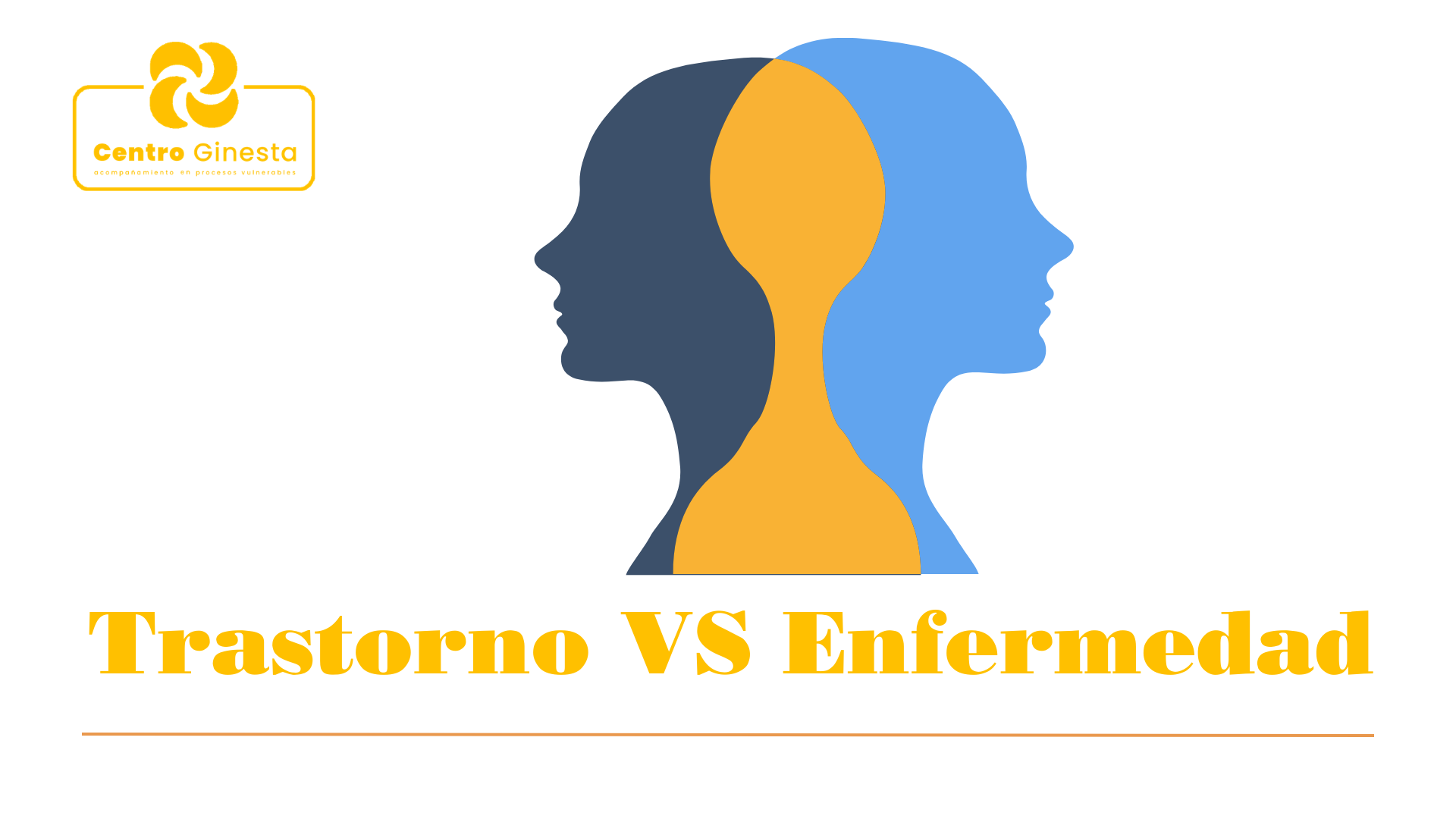
In the area of mental health, the terms substance use disorder y disease are often used synonymously, but they don't mean the same. Understanding this difference is essential for health professionals —psychologists, psychiatrists and family doctors— who refer patients to detoxification or specialized treatment centers in Asturias.
What is a disease?
We talk about disease when there is an identifiable cause—biological, genetic or infectious—and physiological mechanisms that explain the symptoms. Clear examples are diabetes or pneumonia., where the physical alteration has a demonstrable origin.
What is a substance use disorder?
The term disorder It is applied when there is a set of symptoms that generate discomfort or deterioration in the person's life, but they do not always have a single cause. Most mental health diagnoses are disorders, since they combine factors:
- Biological: genetics, neurochemical or neurobiological changes.
- Psychological: emotions, personality, coping mechanisms.
- Social: family environment, work or community.
Examples in addictions
He substance use disorder —addiction—is not a lack of will. It is a persistent pattern of consumption that alters the brain, generates loss of control and maintains the behavior despite negative consequences. Changes in reward circuits, motivation and control, along with emotional and social factors, make addiction a complex disorder.
The importance of professional collaboration
In Ginesta Center, con health registry and headquarters in Asturias, we work in collaboration with psychologists, psychiatrists and family doctors. Our approach consists of:
- Accompany the patient during the detoxification and comprehensive treatment.
- Allow the referring professional to continue their psychological monitoring the doctor.
- Facilitate a coordinated treatment that considers all dimensions of addiction.
This collaboration allows improve treatment adherence, reduce risks of relapse and offer a comprehensive approach, always respecting the continuity of primary or psychological care.
Understand the difference between disorder and illness It's not just a semantic issue.. It is a tool that helps health professionals to:
- Correctly evaluate patients.
- Provide safe and effective referrals.
- Coordinate comprehensive treatments that consider the physical, emotional and social.
In Ginesta Center, Coordination between professionals is key to making recovery possible and sustainable.