
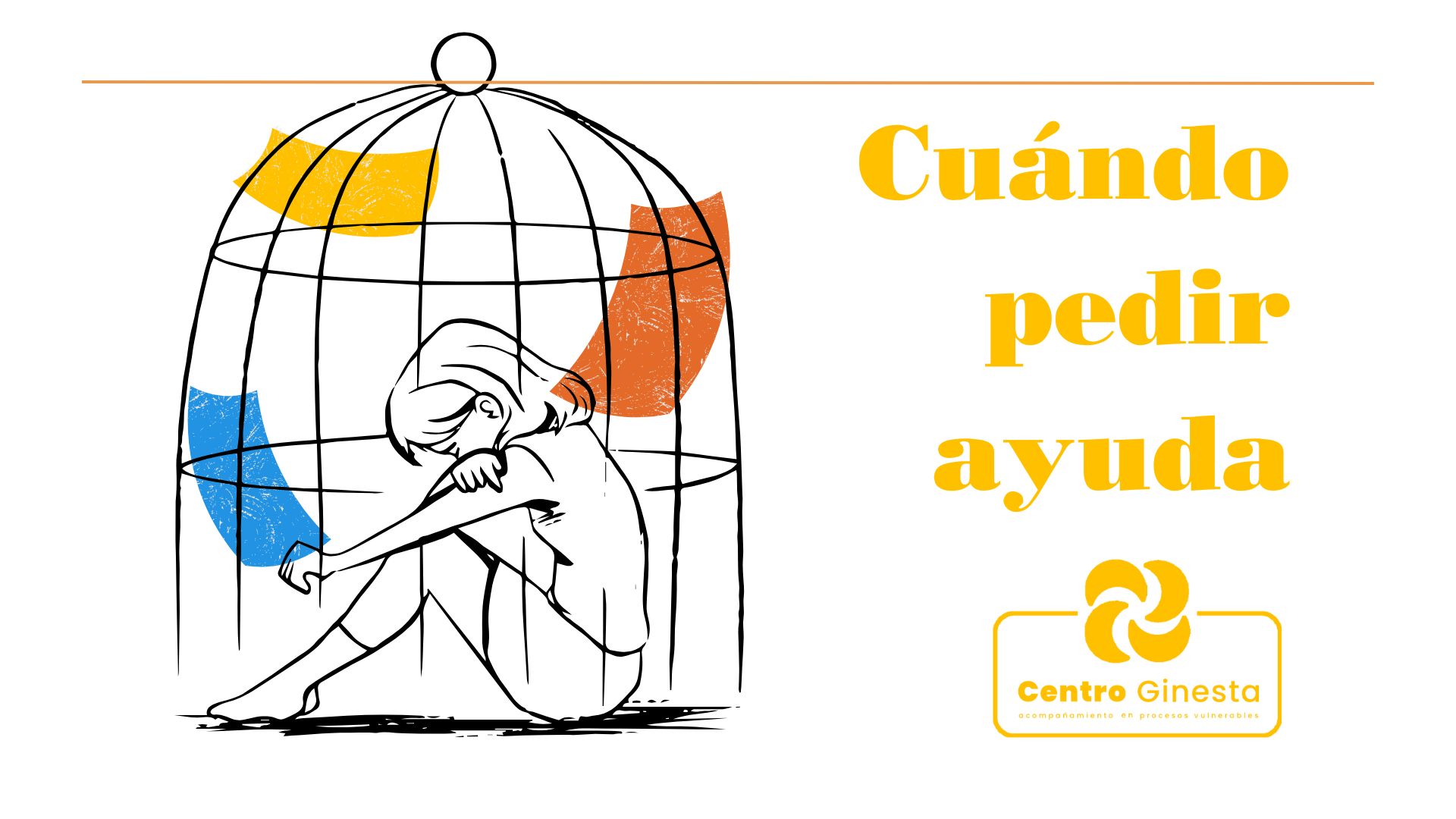
Asking for help for an addiction can be scary. Many people feel ashamed, creen que “pueden solos” o piensan que su situación no es tan grave. However, pedir ayuda es un acto de valentía y responsabilidad personal.
Si el consumo te genera malestar, afecta tu salud, tus relaciones o tu bienestar emocional, ese es un motivo suficiente para pedir apoyo profesional. No hace falta “tocar fondo”.
1. Primer paso: comunicar que necesitas ayuda
El primer paso hacia la recuperación puede ser muy simple:
- Una llamada telefónica
- Un mensaje de WhatsApp
- Un correo electrónico
No necesitas saber exactamente qué decir. Con un simple:
“Necesito ayuda”
es suficiente. Al otro lado, encontrarás profesionales formados para escuchar, acompañar y orientar, sin juicios.
2. Evaluación personalizada: cada persona es única
Después de dar el primer paso, se realiza una valoración individual para entender tu situación:
- Aspectos personales
- Estado emocional
- Contexto social
Cada historia es diferente. That's why, el tratamiento debe ser individualizado, humano y adaptado a tus necesidades, y no un modelo estándar.
3. La recuperación no es lineal
Es normal tener avances y retrocesos. Un buen centro de tratamiento:
- Acompaña, no castiga
- Considera las recaídas como parte del proceso
- Trabaja no solo el consumo, sino también las causas emocionales que lo sostienen
La recuperación es posible, y pedir ayuda es el primer paso para alcanzarla.
No tienes que hacerlo solo/a
Decir “necesito ayuda” es el inicio de un camino hacia la recuperación. Nadie debería recorrerlo solo/a.
If you, un familiar o un amigo necesita apoyo, el primer contacto puede ser tan simple como escribir o llamar.
📩 info@centroginesta.com
☎️ 624 328 463 / 615 777 597
Preguntas frecuentes sobre pedir ayuda por una adicción
1. ¿Debo esperar a “tocar fondo”?
No. Si el consumo afecta tu salud, relaciones o bienestar emocional, ya es momento de buscar ayuda.
2. ¿Qué puedo decir al primer contacto?
Con un simple “necesito ayuda” es suficiente. Los profesionales te guiarán desde ahí.
3. ¿Qué pasa si recaigo?
No es un fracaso. La recuperación no es lineal. Cada recaída se aborda con apoyo y estrategias para entender su origen.
4. ¿Es necesario un tratamiento presencial?
Depende de tu situación. En Centro Ginesta ofrecemos tratamiento ambulatorio, centro de día y viviendas de apoyo, adaptado a tus necesidades.