
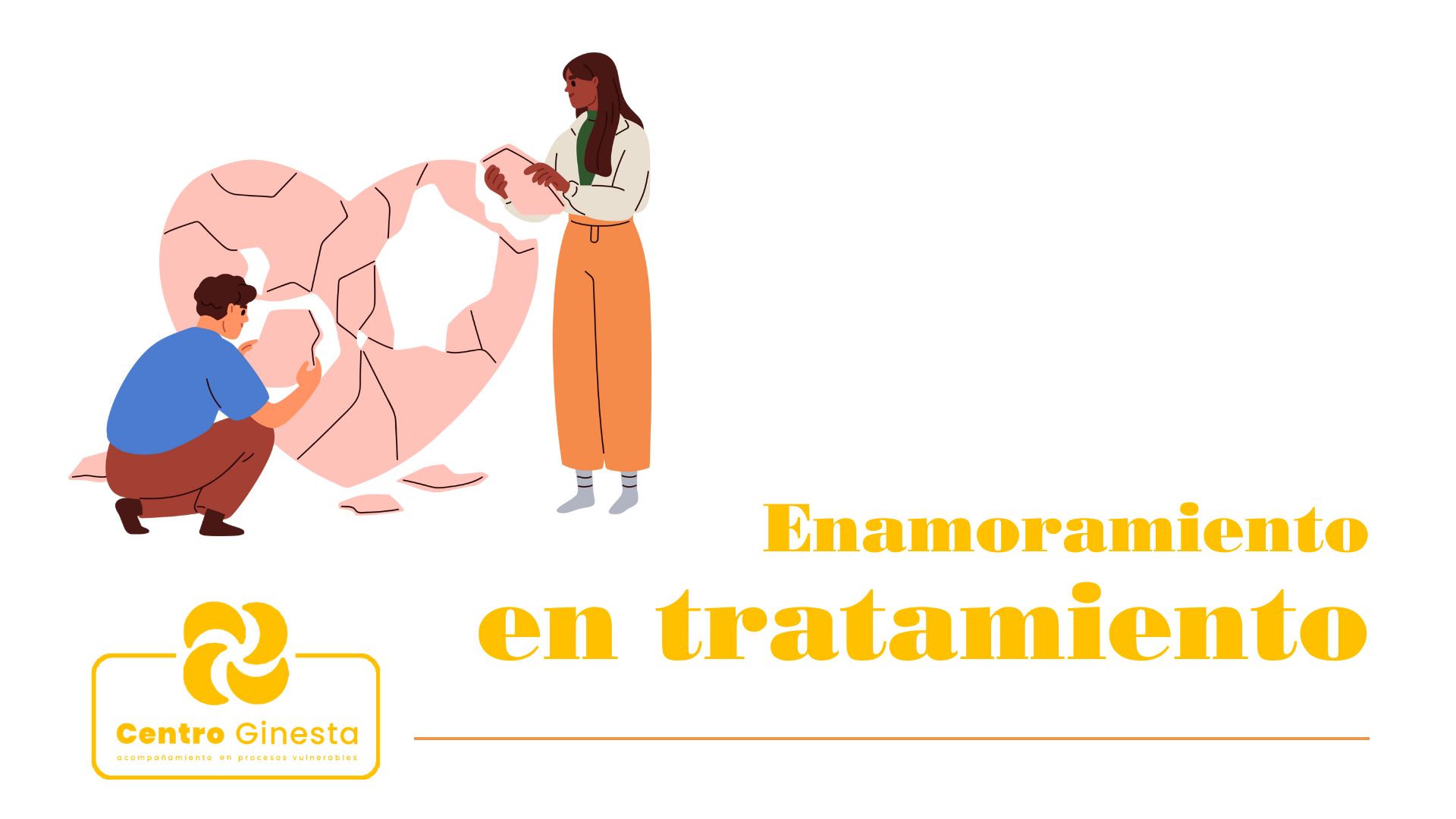
⚠️ “Fall in love in treatment, “in love I lie” ⚠️
This play on words contains a neurobiological truth: The circuit of love shares many routes with that of addictions. But what does this really mean?
Love and addiction: the same circuit in the brain
He romantic love It is not just an emotional or cultural experience. It has a specific biological basis, supported by the same neuronal systems that intervene in substance dependence. So, the brain of a person in love and that of a addicted They can present very similar activations.
In both cases, he reward system is the protagonist. This neural circuit, where dopamine stands out as the main neurotransmitter, It is activated both in falling in love and in the consumption of drugs such as cocaine, amphetamines or opioids.
Similar symptoms: from withdrawal syndrome to “lovesickness”
People going through a breakup may experience symptoms comparable to those of withdrawal. addictions:
- Euphoria and anxiety
- Loss of appetite and sleep
- Palpitations, tremors, hyperventilation
- Sudden mood swings
- Feeling of despair or panic
This parallel is not accidental.. From a neurochemical perspective, love seeks to foster attachment for reproduction and upbringing, but when that link is interrupted, the brain may react as if it had lost a drug.
Falling in love during addiction treatment
In recovery contexts, falling in love can become ambiguous terrain. Sometimes, what is interpreted as love may just be a new source of intense stimulation and euphoria: a kind of “emotional substitute” that activates the same dopaminergic circuit.
That is why it is said that “Falling in love in treatment can be lying to yourself”. The risk is confusing an intense neurochemical reaction with a genuine emotional bond.. In these stages, It is essential to have professional support to identify if that “infatuation” Is it part of the healing process or a new form of emotional dependency.
Understand the mechanisms shared between love and addictions It is not only useful for mental health professionals, but also for anyone in the process of recovery. Recognizing that the brain can seek new sources of pleasure and attachment helps us make more conscious decisions.
Ultimately, Both love and addictions activate deep areas of the brain, and differentiating them requires knowledge, adequate time and support.
If you, A family member or friend is going through a process of detox or fight an addiction, you are not alone.
📞 Call us al 624 328 463 or to 615 777 597.