
Addiction recovery not only depends on the substance consumed, but also from deeply rooted patterns in the brain. One of the most powerful phenomena that influences relapse is conditioned stimulus. Understanding how these stimuli work can be key to addiction recovery and avoid relapses in the recovery process.
What is a conditioned stimulus in addictions?
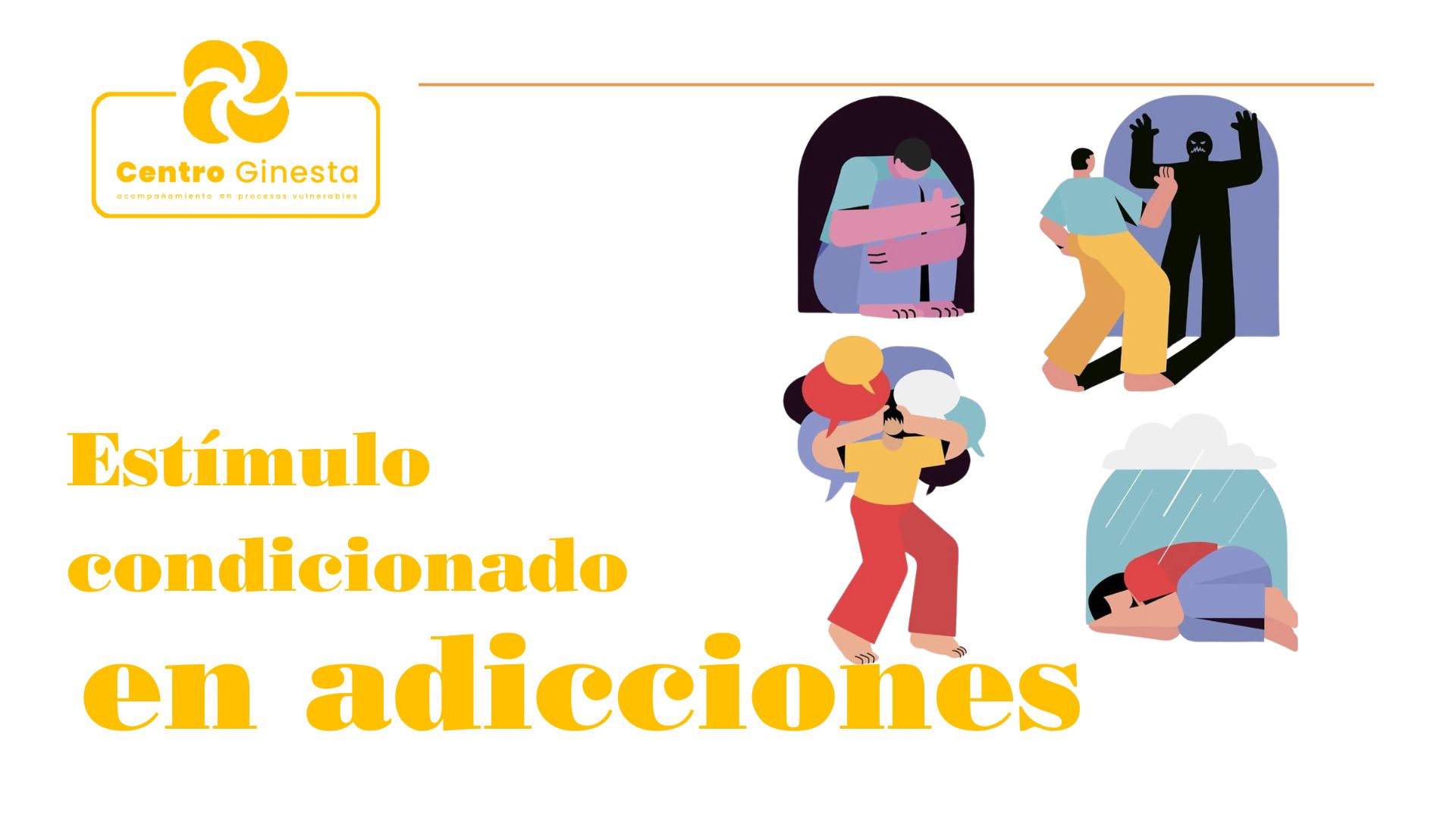
And conditioned stimulus is any element that the brain repeatedly associates with the consumption of a substance. This can be an object, a person, a place, or even an emotion. The brain learn to link these stimuli with the consumption experience, so that, even without the substance present, the simple stimulus can trigger intense desires to consume.
Los conditioned stimuli they become silent triggers that can activate the desire to consume at any time, even when the person already feels on the road to recovery. These stimuli do not need to be obvious or extreme; They can be as simple as listening to a song, see a photo, or even visit a place associated with consumption.
The most worrying thing is that these stimuli can act in ways automatic, without the person being aware of it. The body reacts to these triggers before the mind can take control. This explains why many people relapse despite having felt “good” for a while.: It's not about weakness., but of a physical and emotional pattern that the brain has learned to follow.
How conditioned stimuli affect the recovery process
In addiction recovery, The goal is not just to stop using., but also break the cycle of conditioned stimuli. People in the process of detox must learn to recognize these triggers and rewrite the associations the brain has formed with them.. If they are not identified and managed in time, These stimuli can reactivate the desire to consume and trigger a relapse..
It is important to understand that you are not only fighting against the substance itself, but also against habit architecture that has formed around the conditioned stimuli. These habits are powerful and require specific strategies to be modified and eliminated effectively..
How to detect and manage conditioned stimuli?
The key to overcoming conditioned stimuli in the process of rehabilitation is learning to recognize them before they activate the response in the body. Here we leave you some practical steps to manage them:
- Stimulus identification: Make a list of places, personas, emotions or situations that have connected you with consumption in the past.
- Rewrite associations: Once the stimuli have been identified, works on changing the association that the brain has with them. For example, If a song reminds you of a moment of consumption, listen to that same song in a different context.
- Anticipation and preparation: Be aware of the triggers that might appear in your daily life and have a plan to deal with them, like practicing relaxation techniques or talking to a therapist.
- Professional support: If you find it difficult to manage conditioned stimuli on your own, Seek the support of a professional in psychotherapy or in addiction treatment.
The recovery process is not just about resist temptation, but to recognize and break the associations that the brain has created with addiction. By identifying conditioned stimuli and learning to manage them, people can take control over their life again and reduce the risk of relapses.
Do you need help in your recovery process??
If you, A family member or friend is going through a process of detox or fight an addiction, you are not alone. The road to recovery can be challenging, but with him adequate support and the right tools, it's completely possible. Contact us today to get the help you need and start rewrite your story.
📞 Call us al 624 328 463 or to 615 777 597.