
Substance consumption can start as something specific or social. However, Without realizing it, It can evolve into a serious problem that affects physical and emotional health., personal relationships and professional life. Know the phases of addiction allows you to recognize warning signs in time and make informed decisions.
In this article we explain what those phases are., how they manifest and why it is so important to detect them in time.
What are the main phases of addiction?
From a preventive and clinical perspective, The development of an addiction usually goes through three main phases: use, abuse and dependency. Although they do not always travel in a linear way, These stages mark a common pattern in many cases of problematic consumption.
1. Use
This first phase is characterized by occasional and controlled consumption. There is no direct interference in daily life and no visible consequences.
📌 Example: have a drink at a meeting without feeling the need to repeat it or find excuses to consume again.
🔍 Warning signs at this stage:
- Start using to calm anxiety or escape emotional problems
- Find more occasions to consume, although they are not necessary
- Normalize consumption as part of leisure
2. Abuse
In the second phase, consumption begins to have real consequences. Affects work performance, the studies, personal relationships or health.
📌 Example: Go out only if there is alcohol or drug consumption, miss work, frequently feeling physical or mental discomfort due to use.
🔍 Common symptoms of abuse:
- Difficulty limiting the amount consumed
- Justify excessive consumption (“everyone does it”)
- Annoyance or irritation when someone expresses concern
3. Dependence
In this last phase, consumption stops being a choice and becomes a necessity. The substance occupies a central place in a person's life.
📌 Example: consumption alone, hiding behavior, withdrawal symptoms if not consumed.
🔍 Clear dependency indicators:
- Failed attempts to stop or reduce
- Social isolation
- Lies, concealment, denial
- Feeling that without consuming you cannot function
Why is it important to know the phases of addiction?
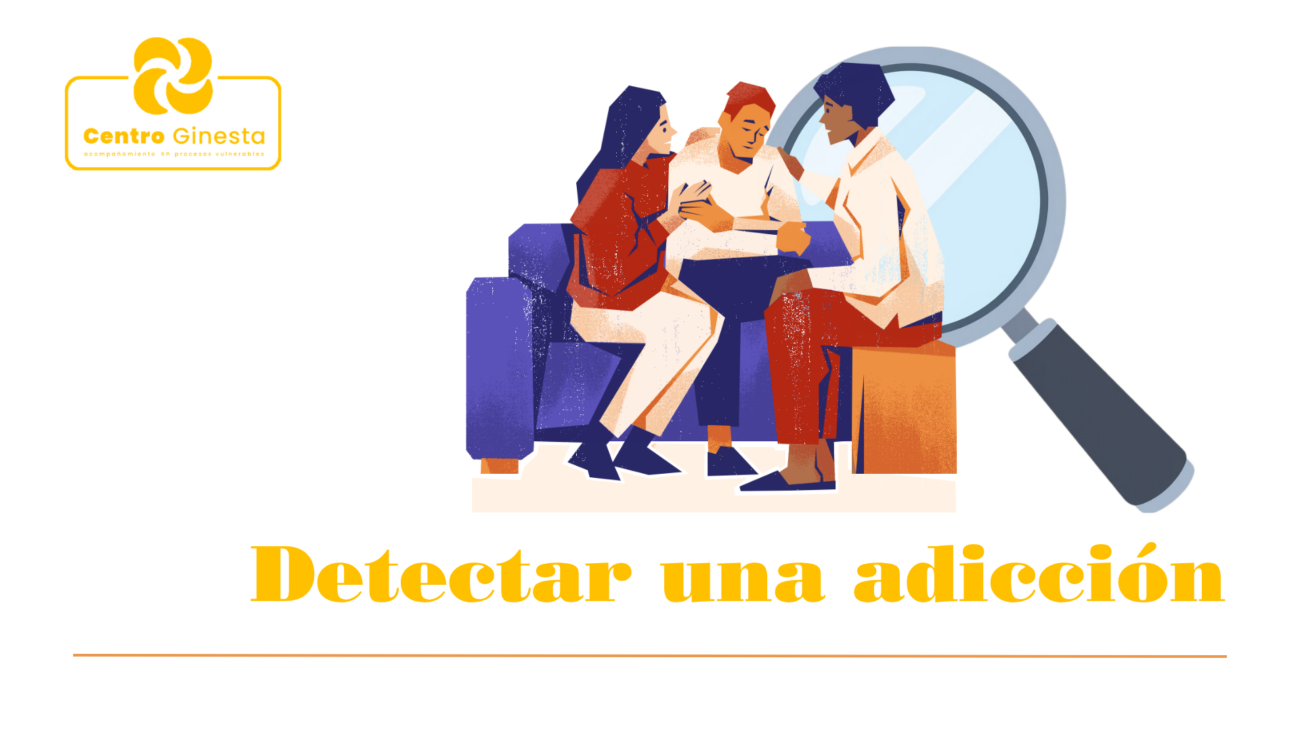
Detecting where a person is in the process is essential to be able to intervene effectively.. Many times, the progression between phases is subtle, and the environment can normalize behaviors that are actually warning signs.
Know how to identify the phases of addiction not only helps those who suffer from it, but also to your family environment, work or educational, which can play a key role in prevention and support.
Recovery is possible
Although addiction may seem like a complex problem, the good news is that recovery is possible. Have information, professional support and safe spaces to talk about the topic makes a difference.
If you feel that consumption is taking up too much space in your life—or that of someone close to you—, don't wait for the situation to get worse. Talking about it is the first step.