
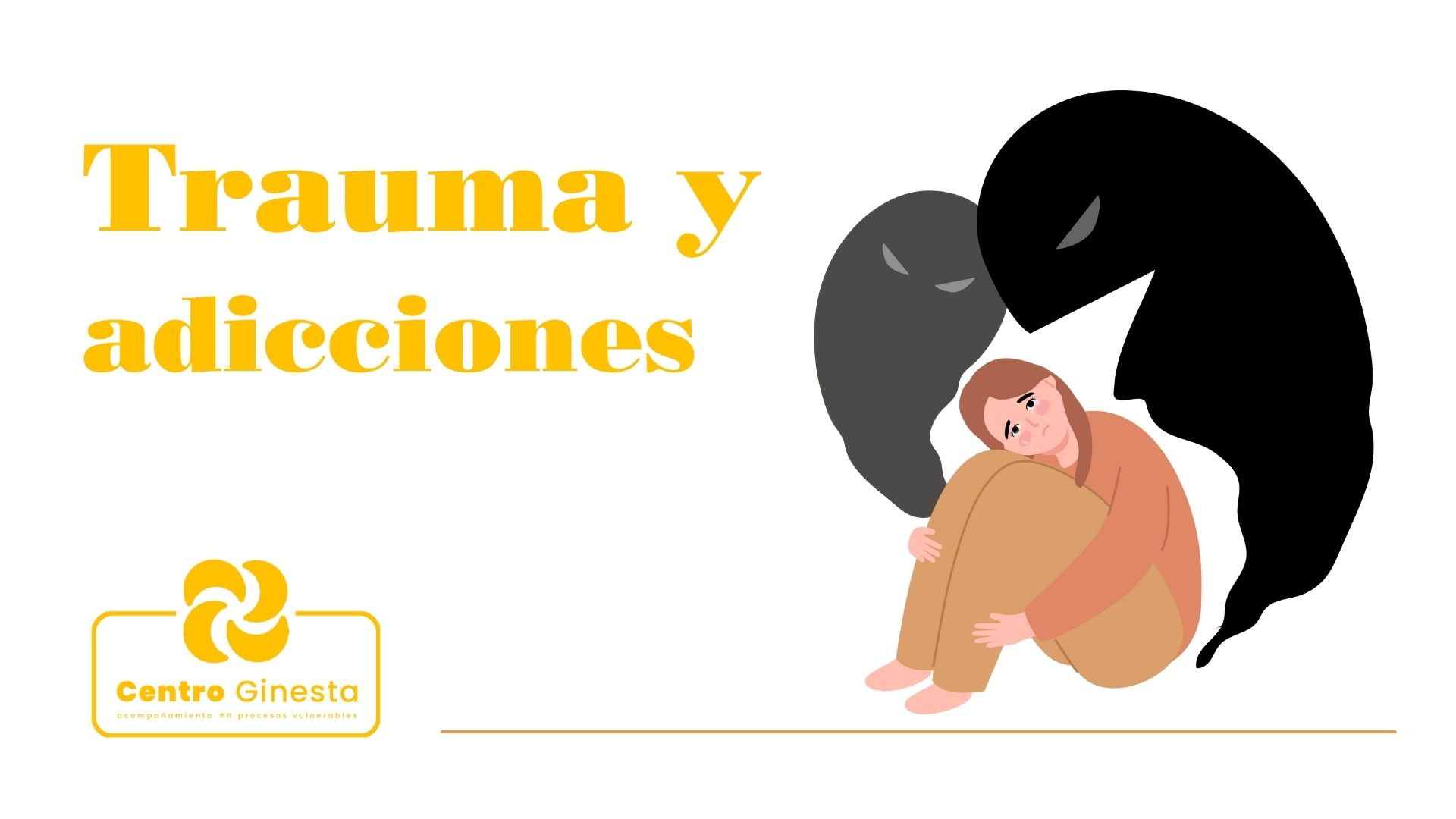
Numerous studies show that traumatic experiences in childhood are closely related to addictive behaviors in adulthood.. This article explores the connection between trauma and addictions, analyzing how situations such as physical abuse, emotional or sexual, negligence, The loss of a parent or living with a family member with mental illness can predispose to addictive behaviors.
childhood trauma, in any of its manifestations, alters emotional and cognitive development, generating a vulnerability that can lead to seeking relief from substance use. So, the use of alcohol, Drugs and other risky behaviors become a mechanism to mitigate the pain and anxiety derived from these adverse experiences.. The relationship between trauma and addictions It is complex: the more intense and prolonged these experiences are, the greater the risk of developing addictive patterns in adulthood.
Besides, Other factors influence this connection, as the stage of development in which trauma occurs, genetic predisposition, the gender of the individual and, fundamentally, the absence of an empathetic caregiver to provide emotional support. Substance use, although it offers momentary relief from stress and anxiety, ends up perpetuating a destructive cycle that affects both physical and mental health.
To address this problem, it is essential implement prevention and treatment strategies that consider underlying trauma. A comprehensive approach that combines psychological support, therapy and, in some cases, medical interventions, may be key to breaking this cycle and promoting recovery and emotional well-being.
Understanding the relationship between trauma and addictions is the first step to generate effective solutions and support those who have suffered difficult experiences in their childhood, contributing to building a future with greater resilience and mental health.